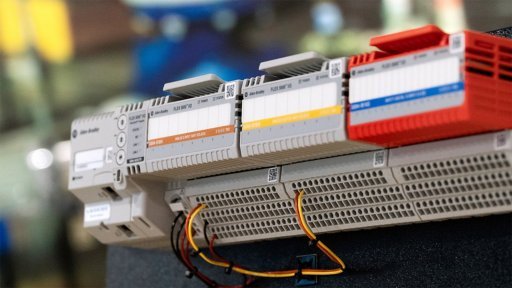
Do not treat every discontinued part equally. Rank each asset by failure impact, installed quantity, available spares, repairability and replacement lead time, then act on the highest combined risk.
1. Create an installed-base inventory
Record the complete catalog number, series, revision, firmware, cabinet location, machine name and quantity installed. Link each component to its software backup, drawings and maintenance history where possible.
2. Rank operational risk
No spare, long downtime and no quick substitute.
Limited spare or repair route, with manageable downtime.
Supported alternative and validated migration path available.
3. Choose the right response
Useful where downtime cost is high and replacement requires engineering.
Consider repairability, turnaround, test scope and warranty.
Verify condition, storage history, authenticity and return terms.
Plan controls, software, communications, wiring and validation together.
4. Evaluate discontinued inventory
Price alone is not enough. Request clear label and packaging photos, condition classification, test information, warranty coverage and seller return terms. Confirm series and firmware compatibility before installation.
A newer-looking replacement may still require a firmware update, program conversion, network change, wiring modification or renewed validation. Have a qualified controls engineer approve substitutions.
5. Build a phased migration plan
- Stabilize: secure critical spares and current backups.
- Design: select a supported platform and document interface changes.
- Validate: test programs, communications, safety and operator workflows.
- Execute: schedule the conversion around a planned production window.
- Retire: update drawings, spares lists and maintenance procedures.
What to include in a sourcing request
- Complete catalog number, series and quantity.
- Photos of the installed unit and nameplate.
- Accepted condition: new sealed, surplus, refurbished or tested used.
- Required arrival date and destination.
- Known firmware or application restrictions.
Let us review your legacy part
Send the exact catalog number and urgency for a sourcing review.